
- This product is only available in Calgary, Edmonton, Red-deer. Please change your location to purchase this product.

Additional information
Attracts Birds
Attracts Butterflies
Cut Flowers
Deer Resistant
Fall Colour
Flower Color
Foliage Colour
Foliage type
Fragrant
Fruit
Height
Moisture Level
Proven Winners
Spread
Type
Zone
- Prune in late spring, after the threat of frost, but before new growth emerges
- Full sun: 6 or more hours a day
- Loose well draining soil
- Water on a consistent schedule, at least 1 inch a week
- Although drought tolerant, regular watering is needed for the first few years after planting
Related products
-
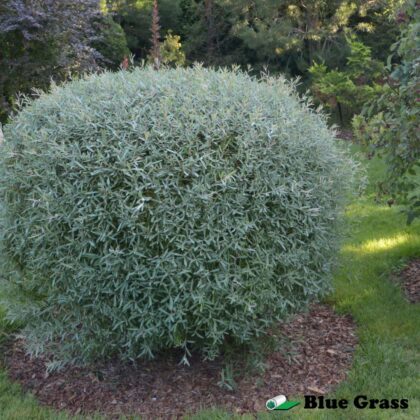 This product has multiple variants. The options may be chosen on the product page
Dwarf Arctic Willow
$34.99 -
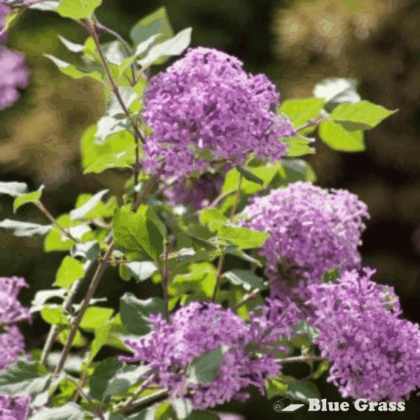 This product has multiple variants. The options may be chosen on the product page
-
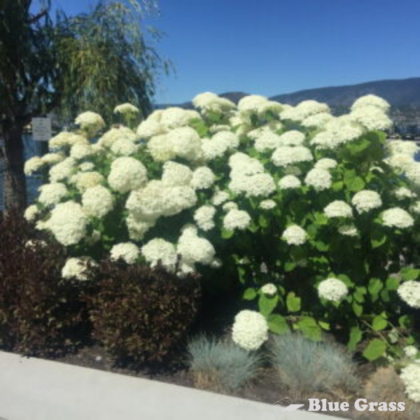
Annabelle Hydrangea
$39.99