
- This product is only available in Calgary, Edmonton, Red-deer. Please change your location to purchase this product.
Overview & Description
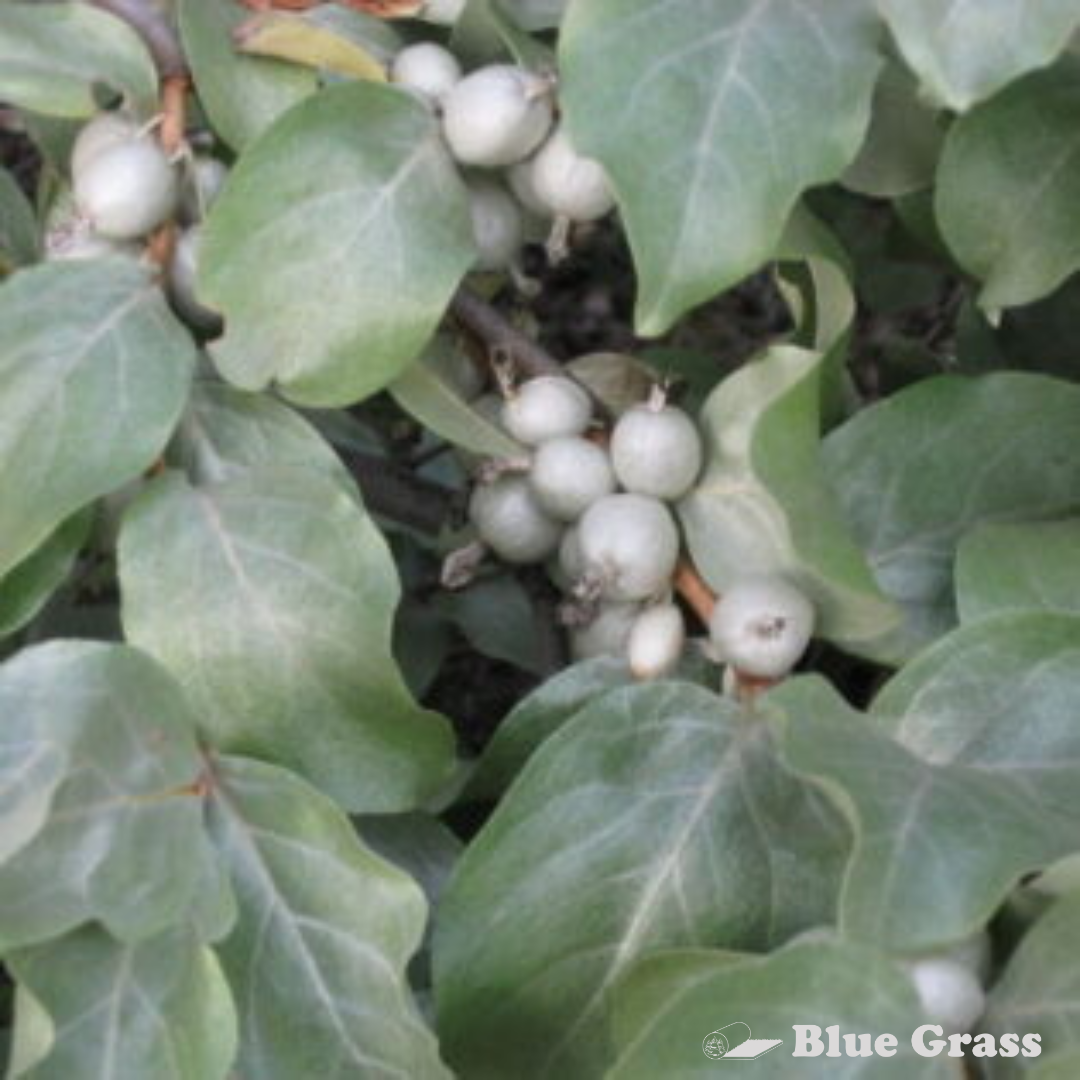
The Wolf Willow (Elaeagnus commutata), also known as a Silverberry, is a hardy, drought-tolerant native shrub celebrated for its striking silver foliage and fragrant yellow flowers. This resilient plant thrives in challenging conditions, making it an excellent choice for xeriscapes, naturalized areas, or low-maintenance gardens. In late spring to early summer, it produces clusters of small, sweetly scented yellow flowers that add a touch of charm to the landscape.
As the seasons progress, the Wolf Willow develops ornamental silver fruit that persists through winter, providing visual interest and texture during the colder months. Its silvery leaves and fruit create a beautiful contrast against darker greens, making it a standout in any garden. This nitrogen-fixing shrub can be used as a companion plant in orchards to increase fruit production.
Growth & Size
This variety exhibits an upright, spreading, and suckering growth habit, often forming thickets or loose colonies. It is a fast-growing shrub, typically reaching a mature size of about 3 to 4 meters (10-13 feet) in height with a spread of 2 to 5 meters (6-16 feet).
Additional Notes
It blooms in late spring to early summer (May-June). Exceptionally hardy to Zone 2, it tolerates drought, salt, poor soils, and maritime exposure once established, thriving in full sun. It requires well-drained soil and adapts to a range of conditions. An outstanding choice for erosion control, windbreaks, wildlife habitat, hedges, or as a unique accent plant where rugged elegance and ecological benefits are desired.
Additional information
Attracts Birds
Attracts Butterflies
Cut Flowers
Deer Resistant
Fall Colour
Flower Color
Foliage Colour
Foliage type
Fragrant
Fruit
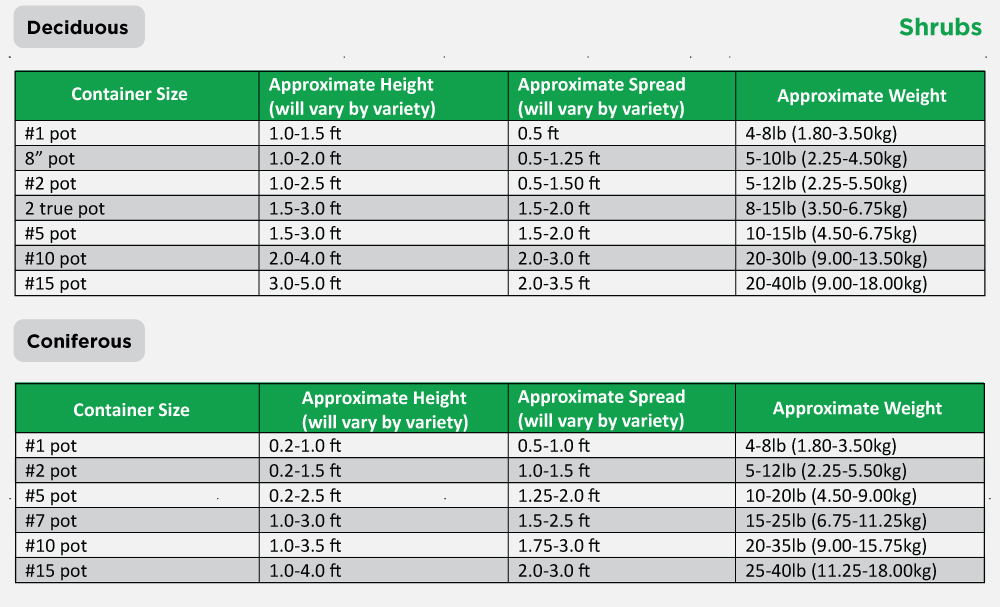
Height
Moisture Level
Proven Winners
Spread
Sun Level
Type
Zone
- Prune in late spring, after the threat of frost
- Full sun: 6 or more hours a day
- Loose well draining soil
- Water on a consistent schedule, at least 1 inch a week
- Although drought tolerant, regular watering is needed in the first few years after palnting
Related products
-
 This product has multiple variants. The options may be chosen on the product page
Cranberry Cotoneaster
$39.99 -
 This product has multiple variants. The options may be chosen on the product page
American Highbush Cranberry
$39.99 -
 This product has multiple variants. The options may be chosen on the product page