
- This product is only available in Edmonton, Red-deer, Calgary. Please change your location to purchase this product.

Overview & Description
Kodiak® Jet Black Bush Honeysuckle (Diervilla rivularis ‘SMNDRS’) is a tough, adaptable deciduous shrub prized for its exceptionally dark, glossy foliage that emerges bright green in spring before maturing to a deep, lustrous near-black purple-black hue that holds its colour throughout the summer. In early to mid-summer, it produces clusters of small, tubular, sulphur-yellow flowers that contrast strikingly with the dark leaves, attracting bees, butterflies, and hummingbirds. As autumn approaches, the foliage transitions to brilliant shades of burgundy, orange, and red, offering an extended season of interest. This native cultivar is valued for its vigorous, suckering growth habit and excellent tolerance to heat, humidity, and drought.
Growth & Size
This variety exhibits a dense, mounding, spreading growth habit. It is a fast-growing shrub, typically reaching a mature size of about 36 – 48 inches in height with a spread of 36 – 48 inches.
Additional Notes
It blooms from early to mid-summer through fall. Hardy to Zone 3, it is drought tolerant once established, adapts to a wide range of soil conditions, including clay and rocky soils, and thrives in full sun to partial shade. It is resistant to deer and rabbits, tolerates urban pollution, and requires minimal maintenance. An outstanding choice for mass plantings, erosion control on slopes, foundation plantings, woodland edges, and pollinator gardens where dark, dramatic foliage and bright yellow flowers are desired.
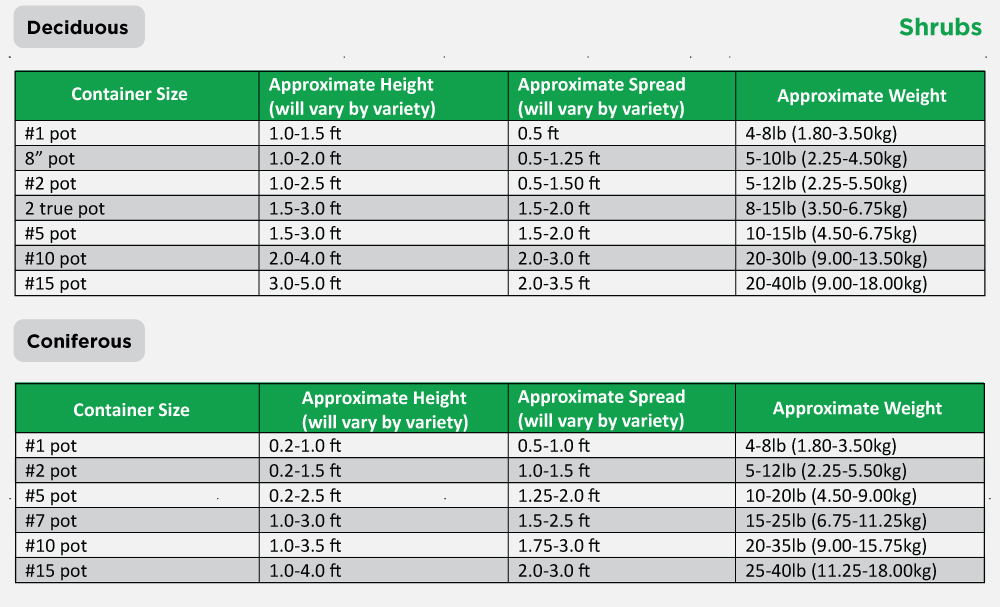
Additional information
Attracts Birds
Attracts Butterflies
Cut Flowers
Deer Resistant
Fall Colour
Flower Color
Foliage Colour
Foliage type
Fragrant
Fruit
Height
Moisture Level
Proven Winners
Spread
Type
Zone
- Prune after blooms are spent
- Full sun: 6 or more hours a day
- Loose well draining soil
- Water on a consistent schedule, at least 1 inch a week
- Although drought tolerant, regular watering is still needed for the first few years after planting
Related products
-
 This product has multiple variants. The options may be chosen on the product page
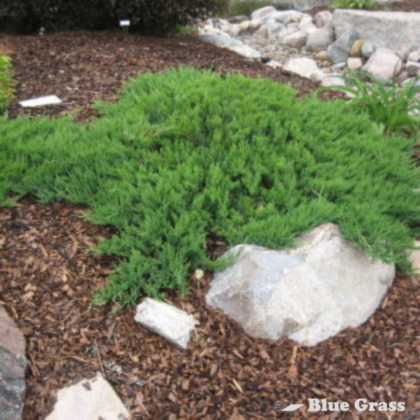
Broadmoor Juniper
$40.99 -
 This product has multiple variants. The options may be chosen on the product page
-
 This product has multiple variants. The options may be chosen on the product page